Selling a Used Fire Truck in 2026: 12 Tips to Sell Faster
Published on
January 30, 2026

Jesse
Firefighter & Apparatus Expert
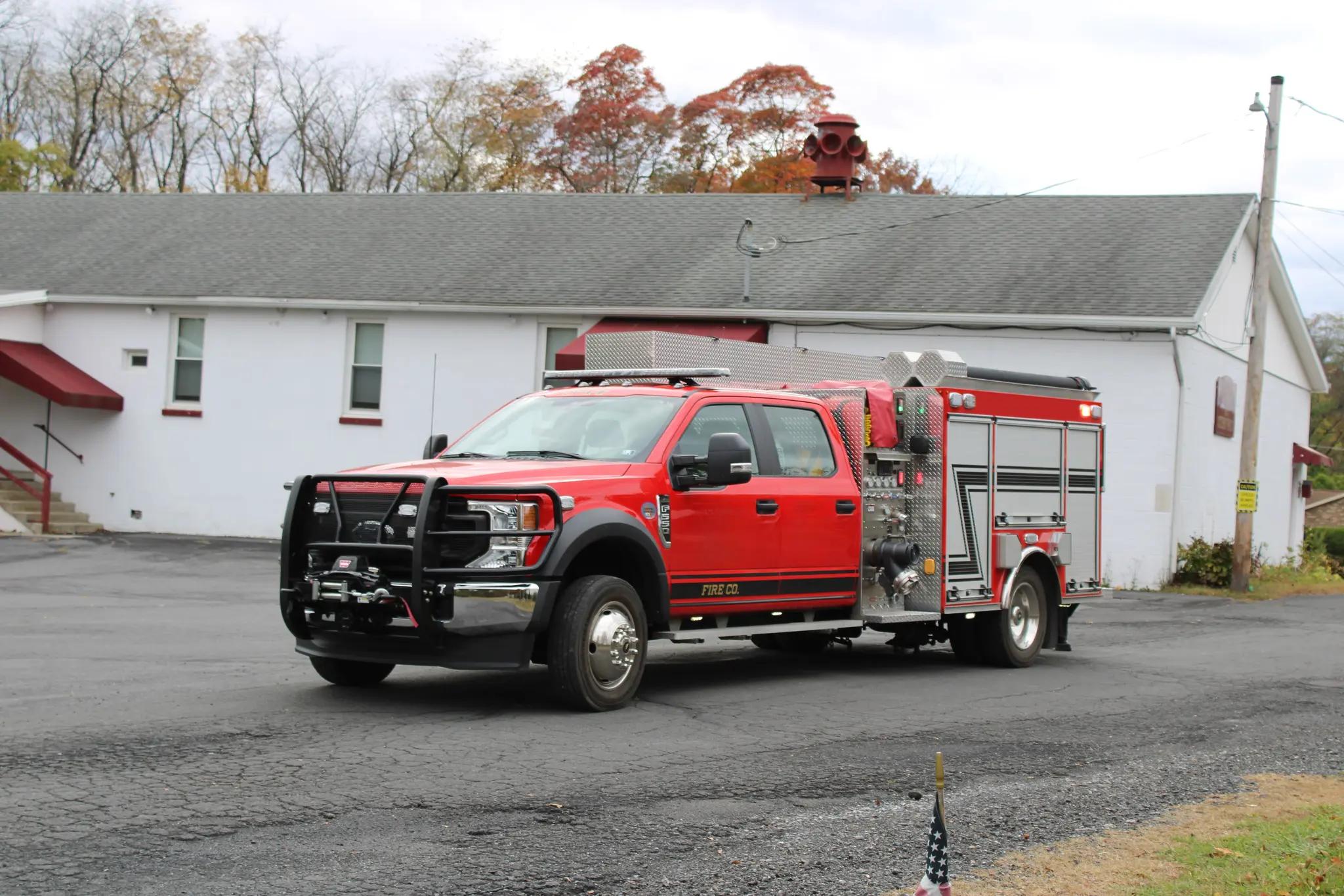
Selling a used fire truck is one of the biggest financial decisions a fire department makes outside of buying a new one. Done right, it can return meaningful funds to your budget, and help you plan for the future. Done wrong, it can cost your department time, money, and credibility.
These 12 tips will help you sell your used rig faster, for more money, and with fewer headaches in 2026.
1. Start the Process Early
Selling a fire truck can take longer than most departments expect, especially if you go with traditional methods. Approvals, paperwork, and finding the right buyer all add time.
Start planning 6–12 months ahead whenever possible. If you’re waiting for delivery of a new truck, you can always list early and mention that it is contingent on delivery in your listing’s description.
2. Be Clear on Why You’re Selling
Buyers will ask:
Why is the truck being replaced?
Was it frontline or reserve?
Is it currently operational?
Clear, honest answers build trust and prevent deals from falling apart later.
3. Get a Realistic Appraisal
Overpricing is the fastest way for a truck to sit unsold.
An objective appraisal helps you understand:
What the truck is worth today
How age, mileage, and specs affect value
A realistic price range for the current market
Some departments use data-backed tools—like Garage’s instant appraisal tool—to get a quick, market-based estimate before deciding how to sell.
4. Collect Your Records First
Before listing the truck, gather:
Maintenance and service records
Pump test results if available
Mileage and engine hours
Title and ownership documents
Complete records make buyers more confident and speed up the sale.
5. Clean the Truck Thoroughly
You don’t need to restore it—but it should look cared for.
Wash the exterior
Clean the cab and compartments
Remove equipment that will not be included with the truck
Clean trucks sell faster and attract more serious buyers.
6. Use Clear, Well-Lit Photos
Photos matter more than most departments realize. Whenever possible, pull the truck out to take photos outdoors and ensure good lighting.
Include:
All four sides
Pump panel
Cab interior
Compartments
Frame (especially if rust is present)
Poor photos can cut buyer interest in half, while good photos will help you get better offers, faster.
If you need help, Garage offers professional photography services for sellers.
7. Write a Simple, Honest Description
Avoid vague phrases like “runs good.”
Include:
Year, make, model
Engine, pump, tank, and aerial specs
Current condition
Known issues
Honesty saves time and avoids failed deals.
8. Market Beyond Your Local Area
Your best buyer may not be nearby. Departments across the U.S.—and sometimes internationally—are often looking for very specific requirements.
Platforms with nationwide exposure usually lead to higher sale prices and faster selling times. For example, on Garage the average listing sells in just 33 days.
9. Understand Tradeoffs with Traditional Methods
Traditional auctions can be fast—but often mean:
Limited buyer competition
Less control over final price
Private buyers, not fire departments
Selling to a reseller or a dealer trade-in can mean quick cash, but you should expect an offer well-below market value.
Brokers, on the other hand, may help you get a better price, but their limited reach often means waiting a long time for your apparatus to sell - if ever.
Whatever method you choose, make sure you understand what your department is giving up and what you are getting.
10. Plan Shipping and Pickup Early
Decide upfront:
Who handles transportation?
Who pays for shipping?
Are inspections required before release?
Clear logistics prevent last-minute problems. On platforms like Garage, shipping and pickup are coordinated by the platform, simplifying the process so you have one less thing to worry about.
11. Know How You’re Getting Paid (Safely & Securely)
Unfortunately, with expensive assets like fire trucks, scams and fraud are common. Before selling your vehicle, it’s critical to understand how you will get paid and protect yourself from bad actors. Before choosing a method, make sure you understand:
How payment will be handled before accepting an offer
The risks of paper checks (delays, stop-payments, fraud, returned funds)
When you will release the truck (will you wait until funds clear to release it?)
To simplify the process and avoid scams, many departments choose trusted platforms like Garage - that provide secure, fast payments processed through the platform, offering added verification and fraud protection for taxpayer funds.
12. Choose a Process That Saves Staff Time
Most fire chiefs don’t have time to manage dozens of phone calls and emails.
The best selling process:
Screens buyers
Handles paperwork
Manages logistics
This protects your time and ensures you're getting serious, quality offers.
Bottom Line
A used fire truck is still a valuable asset. Selling it correctly can help fund new equipment, reduce budget pressure, and support your next apparatus purchase.
Plan early. Price it right. Be transparent. Your department—and your community—benefit when it’s done right.
Published on
January 30, 2026
Jesse
Firefighter & Apparatus Expert