How to Buy a Used Fire Truck in 2026: The Complete Buyer's Guide
Published on
June 8, 2026

Alex
Garage Team
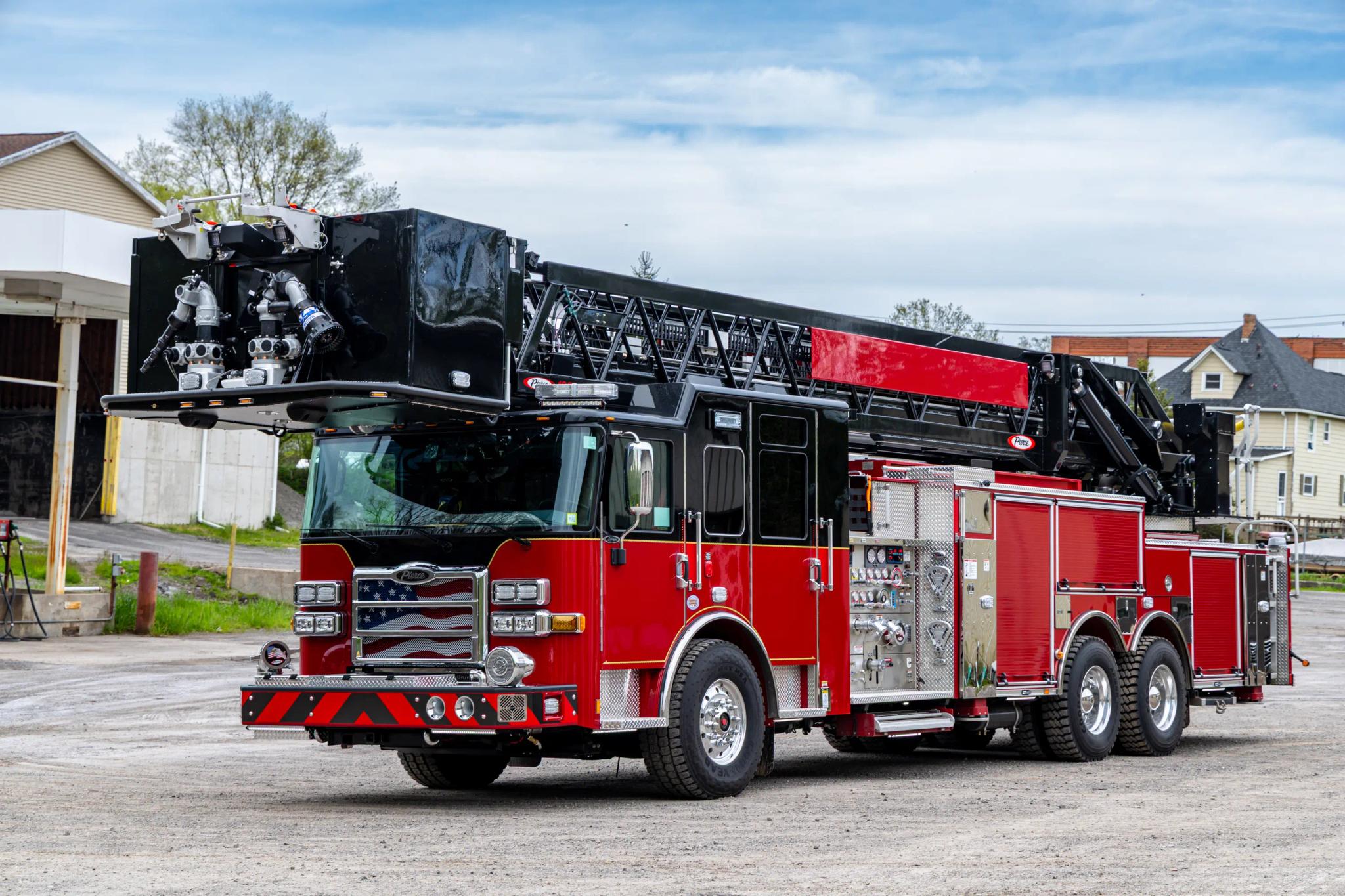
Buying a used fire truck is one of the most significant purchasing decisions a fire department makes. Done right, it puts a capable, well-maintained apparatus into service at a fraction of the cost of new. Done without preparation, it can result in expensive surprises, a vehicle that does not meet your operational needs, or a purchase your department regrets.
This guide covers everything a fire department needs to know before buying a used fire truck. From understanding the different apparatus types and what drives their price, to what to inspect before making an offer, to where to find trustworthy listings and how to close a transaction with confidence.
Why Departments Buy Used Fire Apparatus
The average cost of a new custom pumper from a major manufacturer now exceeds $1,000,000. A new aerial can run well over $2 million. For the majority of fire departments in the United States, particularly smaller and rural departments working within tight municipal budgets, purchasing new apparatus is not realistic for every replacement cycle. Even when budget is not a constraint, long lead times of 3-4 years on new apparatus orders present a different challenge. When a front-line apparatus goes out of service, waiting years for its replacement is not a viable or safe option for many departments.
On the other hand, a well-maintained used apparatus from a reputable manufacturer can serve a department reliably for many additional years at a fraction of the new cost. Departments regularly find used pumpers in the $100,000 to $300,000 range that have years of useful service life remaining, have been maintained by professional fleet staff, and come with full documentation.
The key is knowing what to look for, what questions to ask, and where to find inventory that has been properly represented.
Step 1: Define What You Actually Need
Before browsing a single listing, get clear on the specifications your department requires. Buying a used fire truck without a defined spec leads to compromises that create operational problems for years.
Work through the following questions before you start your search
What apparatus type do you need?
The six main categories of fire apparatus each serve a different operational purpose depending on your response area's needs. A pumper may not be interchangeable with a tanker, and a quint is not the right replacement for a straight aerial in every situation. Make sure your department agrees on your response area’s specific needs before looking at vehicles. It will save you headaches later on.
What pump rating do you require?
If you are replacing a pumper, your department likely has a minimum GPM requirement. Common ratings are 1,000, 1,250, 1,500, and 2,000 GPM. Do not buy apparatus with a lower rating than your operational needs demand.
What tank capacity do you need?
Tank size is especially critical for departments in areas without reliable hydrant coverage. A tanker operating in a rural district has very different tank requirements than an urban engine company
What chassis configuration works for your station and response area?
Consider the turning radius, overall length, cab configuration (single cab versus crew cab), and height clearance for your apparatus bay. A truck that does not fit your station or cannot navigate your district creates immediate operational problems.
What is your budget, and what is your true total cost?
The purchase price is only part of the equation. Budget for inspection costs, any immediate repair or refurbishment needs, outfitting with your department's equipment, and any upgrades required to meet NFPA standards. A $150,000 apparatus that needs $40,000 in work before it goes into service has a true cost of $190,000.
What year range are you considering?
Most departments set a maximum age threshold for apparatus purchases. Your state or county may also have requirements if the apparatus will be used for grant-funded purposes or mutual aid under specific agreements.
Step 2: Understand the Apparatus Types
If you are newer to apparatus procurement or are evaluating a category you have not purchased before, here is a practical overview of the main types available on the used market.
Engines and Pumpers
The most common apparatus type on the used market. Pumpers are designed to deliver water at pressure and carry hose, tools, and crew. They range from basic single-cab configurations to fully equipped rescue-pumpers with extensive compartmentation. When buying a used pumper, the pump test certification and service history are the most important factors after age and mileage. Browse used Engines and Pumpers for sale.
Ladders, Aerials, and Quints
Aerial apparatus provide elevated water delivery and above-grade access. Quints combine an aerial device with a full pump and water tank, allowing them to serve dual function roles. Used aerial apparatus requires current aerial device inspection certifications, and the inspection history of the device is critical. Aerials that have missed annual inspections or have structural concerns should be avoided unless you have a clear and budgeted remediation plan. Browse used Ladders, Aerials, and Quints for sale.
Tankers and Tenders
Tankers carry large volumes of water and are essential for rural departments operating outside hydrant coverage. Used tankers are evaluated heavily on tank condition, material, and the condition of the dump valves and fill connections. A tank that has been poorly maintained or repaired can be expensive to remediate. Pumper tankers, those equipped with a pump of 750 GPM or higher and a tank exceeding 1500 gallons, are in especially high demand. Browse used Tankers and Tenders for sale.
Rescue Trucks and Squads
Heavy rescue trucks carry specialized rescue equipment and serve as the primary response vehicle for technical rescue incidents. Walk-in designs versus non-walk-in designs serve different operational models. When evaluating a used rescue truck, pay particular attention to the body and compartment condition, the structural integrity of the subframe, and whether the configuration matches your department's rescue program. Browse used Rescue Trucks and Squads for sale.
Ambulances
Used ambulances are purchased by EMS agencies, fire departments with EMS responsibilities, and transport organizations. Key evaluation points include the condition of the module, the electrical system, the cot mounting hardware, and the oxygen system. Ambulance values depreciate more predictably than fire apparatus, and there is a consistent used market with available inventory at multiple price points. Browse used Ambulances for sale.
Brush Trucks and Minis
Wildland and brush apparatus range from purpose-built Type 3 and Type 4 engines to smaller mini-pumpers and initial attack vehicles. Departments in areas with wildland-urban interface exposure often prioritize four-wheel drive capability, skid unit configurations, and off-road durability. Used brush apparatus is available at a wide range of price points and typically easier to source than specialty fire apparatus. Browse used Brush Trucks and Minis for sale.
Step 3: Know What Drives Price
Used fire apparatus pricing is driven by a specific set of factors. Understanding them before you start shopping prevents you from overpaying for a well-presented truck with underlying problems, or passing on a good value because you did not recognize what you were looking at.
Age and Mileage
The year of the chassis is the foundation of any valuation. A general rule of thumb is that apparatus depreciates meaningfully each year for the first 10 to 15 years of service, then levels off as it enters a price range driven more by condition than age. Mileage matters, but for fire apparatus, engine hours are often a more useful indicator of overall wear because fire trucks spend significant time at idle and on scene.
Manufacturer
Chassis and body manufacturer affects both quality and long-term value. Pierce, Spartan, Sutphen, Seagrave, E-One, Rosenbauer, and HME are among the manufacturers with the strongest resale value and broadest parts availability. Apparatus from less common or regional builders can represent good value, but verify that parts and service support are accessible before committing.
Pump and Equipment Condition
For pumpers and other apparatus with a pump, the condition of the pump and associated plumbing is a primary value driver. A current, passing annual pump test is a strong positive signal. A failed test or an apparatus that has not been tested in recent years requires caution and negotiation.
Certifications and Documentation
Apparatus with complete service records, current pump test certification, and up-to-date aerial device inspections (where applicable) command higher prices and sell faster. Buyers assign real dollar value to documentation because it reduces uncertainty and demonstrates that the apparatus has been maintained to a known standard.
Body and Compartment Condition
The cosmetic and structural condition of the body affects both price and the practical cost of ownership. Surface rust, door alignment issues, and compartment wear are common in older apparatus and are generally manageable. Significant corrosion, frame concerns, or structural damage to the body are more serious and should be factored heavily into your offer.
Real-time Market Conditions
The used apparatus market, like the market for new apparatus, is constantly changing. Certain year ranges and vehicle categories, like pumper tankers, have stronger demand than others, and this drives price and availability considerations. For example, if you're searching for a well-priced truck in a popular category, it pays to be ready to act quickly when the right truck comes available. For a current market-based valuation on a specific apparatus you are considering, Garage's appraisal tool draws on live transaction data and gives you a reliable reference point in minutes.
Step 4: Find the Right Listings
Where you source your inventory has a direct impact on the quality of what you find and the reliability of the information presented to you.
Dedicated Emergency Vehicle Marketplaces
A platform purpose-built for emergency vehicle sales, like Garage, is the most efficient way to find used fire apparatus with accurate, detailed listings from verified sellers. Departments list directly, which means you are communicating with the people who operated and maintained the vehicle. Listings on Garage include full specifications, photos, and documentation, and the platform enables direct messaging, virtual inspections, and offer management in one place.
Live Auctions
Auction formats give you access to apparatus that departments are motivated to move quickly. Garage hosts timed auctions where verified buyers bid on apparatus in real time. Auctions can be a strong opportunity to find value, particularly on older apparatus or when you have flexibility on the specific model or configuration you are looking for. The tradeoff is that you may have limited time to inspect thoroughly before bidding closes, although platforms like Garage allow potential bidders to message directly with sellers to answer questions and conduct virtual video inspections.
Government Surplus Auctions
Municipal and county surplus auctions list public property including fire apparatus, often at competitive starting prices. These can offer value, but the information provided about the vehicle's condition and history is frequently limited, and inspection opportunities are not always available before purchase.
Dealers and Brokers
Apparatus dealers source vehicles, recondition them to varying degrees, and resell them with a margin built in. This can simplify the buying process and provide some level of assurance about condition, but the cost is much higher than buying directly from the department. If you are buying through a dealer, ask specifically what has and has not been inspected or repaired.
Step 5: Evaluate a Specific Apparatus
Once you have identified an apparatus you are seriously considering, the evaluation process is where you protect your department from a bad purchase. Do not skip or rush this stage regardless of how good the listing looks.
Request the following documentation before scheduling an inspection:
Service and maintenance records. Ask for as complete a history as the seller has available. Look for evidence of consistent, scheduled maintenance.
Annual pump test certificates. Request the most recent test results and ideally the prior two to three years of records. Look for any notes indicating marginal performance or repairs made in connection with the test.
Aerial device inspection records (if applicable). For any aerial apparatus, ask for the most recent independent third-party inspection report. This is non-negotiable.
Title. Confirm that the seller holds a clean title in the name of the entity signing the bill of sale. Any liens or title complications need to be resolved before you proceed.
Chassis information sheet or specification sheet. Year, make, model, engine, transmission, VIN, pump rating, tank capacity, and any factory options.
Conduct a Physical or Virtual Inspection
A thorough inspection is essential for any serious purchase. During the inspection, focus on the following areas.
Cab and Chassis. Check the cab interior for water intrusion, seat condition, and warning system functionality. Look under the chassis for signs of corrosion on the frame, oil leaks, and suspension wear. Start the engine and let it run, listening for unusual sounds and checking for smoke or fluid leaks.
Body and Compartments. Inspect all compartment doors for alignment and seal condition. Look at the floor of each compartment for corrosion or structural damage. Check the condition of the pump panel plating and any exposed metal surfaces for rust progression.
Pump and Plumbing. If you have pump test documentation, review it carefully before the physical inspection. During the inspection, look at the pump house condition, check all intake and discharge caps and threads, and look for signs of leaks or past repairs to the plumbing.
Electrical System. Test all warning lights, scene lights, and cab controls. Electrical problems in older apparatus can be expensive and time-consuming to diagnose and repair.
Aerial Device (if applicable). Look for any visible cracks, corrosion, or unusual wear on the device. Review the last inspection report in detail. If the inspection is more than 12 months old, factor the cost of bringing the certification current into your offer.
Additionally, requesting a demonstration (or a video) of the apparatus under operating conditions, can be helpful. This means running the pump through its paces, raising an aerial device through its full range of motion if applicable, and operating all major systems
Step 6: Understand Your Buying Options
Once you have found an apparatus that meets your spec, passes your evaluation, and fits your budget, you have a few options for how to complete the purchase.
Direct Purchase from a Department
Buying directly from the department that operated the vehicle gives you the best access to information about its history, the crew that can answer your questions, and a clean transaction without a middleman. Platforms like Garage are built specifically for this type of direct department-to-department transaction.
Auction Purchase
If the apparatus is listed in a live auction format on Garage, you can participate in real-time competitive bidding. Set your maximum bid before the auction opens and do not let competition pressure you above your budget.
Negotiated Purchase
Most direct sales involve some degree of negotiation. Before making an offer, know your walk-away number and have your documentation review and inspection complete so you are negotiating from a position of full information. Common negotiating points include minor repairs the seller agrees to complete before delivery, adjustments for documentation gaps, and logistics costs.
Step 7: Close the Transaction
Once you have agreed on a price, the remaining steps are paperwork and logistics.
Bill of Sale
Both parties should sign a bill of sale that includes a full description of the apparatus (year, make, model, VIN or serial number), the agreed purchase price, the names and addresses of both parties, and the date of the transaction.
Title Transfer
The seller signs the title over to your jurisdiction. Your state DMV governs the registration and titling process. If the apparatus is crossing state lines, your state's requirements apply to registration once the vehicle arrives.
Payment
Confirm payment terms before the truck leaves. Garage handles secure payment processing as part of the transaction, protecting both buyer and seller.
Transport and Delivery
Decide whether your department will drive or tow the apparatus home, or whether freight transport is needed. Garage coordinates logistics and freight for buyers and sellers who need help arranging delivery.
Final Thoughts
Buying a used fire truck is one of the best ways to stretch your department's budget without sacrificing operational capability. The departments that get the most value from used apparatus purchases are the ones that define their needs clearly before shopping, evaluate vehicles methodically, and use platforms that give them access to verified inventory with reliable information.
Garage was built to make this process straightforward for fire departments of every size. Browse current listings from departments across the country, get a market-based appraisal on any apparatus you are evaluating, and complete your transaction with the support of a team that understands the fire service.
Browse fire trucks and apparatus for sale at shopgarage.com.
Browse live auctions at shopgarage.com/auctions.
Published on
June 8, 2026
Alex
Garage Team